Online shoppers have become increasingly impatient. Page load delays of even a few seconds are being linked to abandoned carts, reduced conversions, and lost brand trust. As competition in eCommerce intensifies, performance has become a decisive factor in success. For many growing brands, traditional Shopify setups are being identified as a bottleneck rather than an enabler.
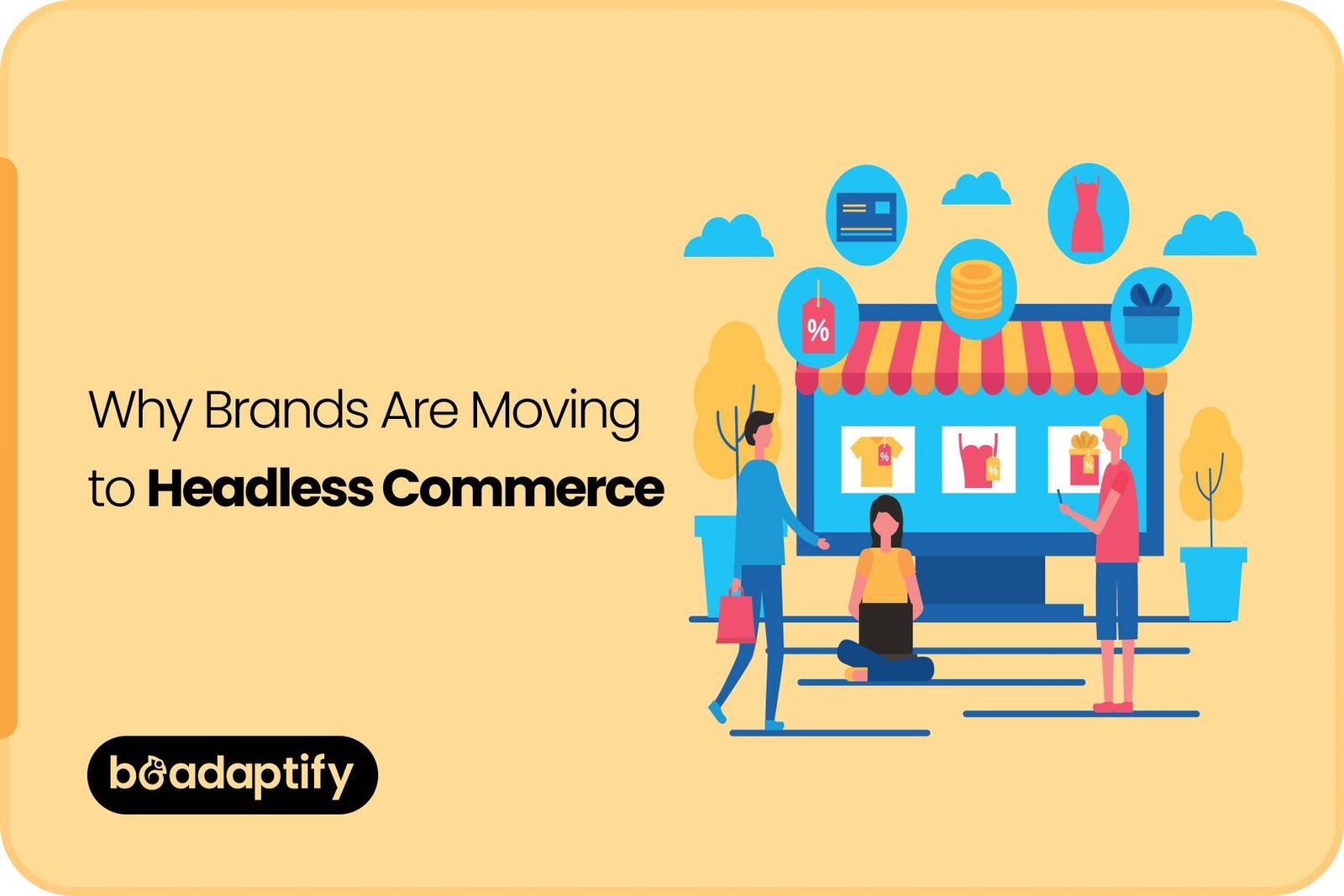
As a result, headless commerce is being widely adopted by leading brands in 2026. Instead of relying solely on Shopify’s traditional frontend, decoupled architectures are being implemented to unlock speed, flexibility, and scalability.
This guide explains why Shopify stores are often perceived as slow, how headless commerce addresses those limitations, and why brands are increasingly choosing to hire Shopify developers and hire eCommerce developers to make the shift.
Why Shopify Stores Are Experiencing Performance Issues
Shopify has long been valued for its ease of use, reliability, and extensive ecosystem. However, as stores scale, performance constraints are often encountered especially on heavily customized or high-traffic websites.
Common Causes of Shopify Store Slowness
Performance issues are frequently caused by a combination of factors, including:
- Heavy reliance on third-party apps
- Monolithic frontend and backend architecture
- Theme limitations and excessive custom code
- Client-side rendering inefficiencies
- Limited control over server-side performance
As Shopify stores grow more complex, these issues are magnified. In many cases, performance optimization within the traditional Shopify setup becomes increasingly difficult.
This is where headless commerce is being viewed as a strategic solution rather than a technical experiment.
What Is Headless Shopify?
Headless Shopify refers to an architecture where the frontend (presentation layer) is decoupled from Shopify’s backend. While Shopify continues to manage products, orders, payments, and inventory, the storefront is built using modern frontend frameworks such as React, Next.js, or Vue.
Through Shopify APIs, data is delivered to a custom frontend that is optimized for speed, flexibility, and advanced user experiences.
This approach is being implemented by brands working with an experienced Shopify development company or by those choosing to hire eCommerce developers for hire with headless expertise.
Why Speed Matters More Than Ever in 2026
In 2026, website performance is no longer treated as a technical metric alone. It is being directly tied to business outcomes.
Impact of Slow Store Performance
- Higher bounce rates
- Lower conversion rates
- Reduced organic search rankings
- Poor mobile experience
- Decreased customer retention
Search engines and consumers alike are favoring fast, seamless experiences. As a result, speed optimization has become a top priority for brands investing in Shopify development services.
How Headless Commerce Improves Shopify Performance
The shift to headless architecture fundamentally changes how Shopify stores operate.
Key Performance Benefits
- Server-side rendering improves initial load times
- Static site generation enables near-instant page delivery
- Reduced dependency on heavy themes and scripts
- Optimized API-driven data fetching
- Enhanced mobile performance
By separating the frontend from Shopify’s backend, performance bottlenecks are significantly reduced. This is one of the primary reasons why leading brands are choosing to hire Shopify developers experienced in headless builds.
Flexibility and Customization Beyond Traditional Shopify
Traditional Shopify themes are designed to serve a broad range of merchants. While convenient, this often limits flexibility.
With headless Shopify:
- Custom UX flows are fully supported
- Unique brand experiences can be delivered
- Multi-language and multi-region setups are simplified
- Omnichannel experiences are easier to manage
This flexibility is especially valuable for brands operating across multiple markets or platforms. Such implementations are typically handled by advanced eCommerce developers for hire.
Improved Mobile and Omnichannel Experiences
Mobile commerce continues to dominate online sales. However, traditional Shopify themes are not always optimized for mobile-first experiences.
Headless commerce enables:
- Progressive Web App (PWA) functionality
- App-like mobile performance
- Seamless integration with mobile apps, kiosks, and IoT devices
- Unified experiences across web, mobile, and emerging platforms
These capabilities are being prioritized by brands seeking long-term scalability through professional Shopify development services.
SEO Advantages of Headless Shopify
Search engine optimization is often a concern when decoupling frontend systems. However, when implemented correctly, headless Shopify can significantly enhance SEO performance.
SEO Improvements Through Headless Architecture
- Faster page load speeds improve Core Web Vitals
- Server-side rendering enhances crawlability
- Cleaner HTML structures improve indexing
- Greater control over metadata and structured data
To achieve these benefits, collaboration with a skilled Shopify development company is essential.
Scalability for High-Traffic Events and Growth
Seasonal campaigns, product launches, and flash sales often expose the limitations of traditional Shopify setups.
Headless Shopify allows:
- Independent scaling of frontend infrastructure
- Better handling of traffic spikes
- Reduced risk of downtime during peak demand
For high-growth brands, scalability has become a non-negotiable requirement driving the decision to hire eCommerce developers with experience in scalable architectures.
Security and Stability Considerations
Security remains a critical concern in eCommerce. With headless Shopify, sensitive operations such as payments and customer data continue to be managed securely by Shopify’s backend.
At the same time:
- The frontend attack surface is reduced
- APIs are secured with authentication and rate limiting
- Infrastructure security can be enhanced independently
These benefits make headless Shopify attractive to brands seeking enterprise-level stability through advanced Shopify development services.
The Role of APIs in Headless Shopify
APIs are the backbone of headless commerce. Shopify’s Storefront API and Admin API enable seamless communication between the frontend and backend.
Through API-driven architecture:
- Real-time product updates are delivered
- Custom checkout flows can be supported
- Integrations with third-party systems are simplified
These integrations are typically managed by experienced Shopify developers for hire who understand API optimization and performance.
Cost Considerations: Is Headless Shopify More Expensive?
At first glance, headless Shopify may appear more costly due to additional development requirements. However, long-term value is often realized.
Cost Factors to Consider
- Initial frontend development investment
- Ongoing infrastructure costs
- Reduced reliance on paid apps
- Improved conversion rates and retention
When evaluated holistically, headless Shopify is often found to deliver higher ROI especially for scaling brands working with a reliable Shopify development company.
When Should a Shopify Store Go Headless?
Not every Shopify store requires a headless setup. However, certain conditions indicate readiness.
Signs Your Store Is Ready for Headless
- Performance optimization has reached its limit
- Custom UX requirements exceed theme capabilities
- Multi-channel expansion is planned
- High traffic volumes are expected
- Brand differentiation is a priority
In such cases, consultation with eCommerce developers for hire is strongly recommended.
How Leading Brands Are Using Headless Shopify in 2026
Leading brands are leveraging headless Shopify to:
- Deliver lightning-fast storefronts
- Personalize experiences using AI-driven logic
- Integrate content and commerce seamlessly
- Support global expansion strategies
These brands are investing in long-term architecture rather than short-term fixes.

Challenges of Headless Shopify Implementations
Despite its benefits, headless Shopify introduces complexity.
Common Challenges
- Higher initial development effort
- Increased dependency on skilled developers
- More complex maintenance workflows
These challenges are mitigated when projects are handled by experienced teams offering comprehensive Shopify development services.
Why Hiring the Right Developers Is Critical
Headless commerce requires expertise across frontend frameworks, APIs, infrastructure, and performance optimization.
Businesses are increasingly choosing to:
- Hire Shopify developers with headless experience
- Hire eCommerce developers capable of scalable builds
- Partner with a full-service Shopify development company
This ensures long-term success and reduces technical debt.
Future of Headless Commerce Beyond 2026
Headless commerce is expected to continue evolving beyond 2026, driven by:
- AI-powered personalization
- Composable commerce architectures
- Deeper integration with emerging channels
- Greater emphasis on performance-first development
Brands adopting headless Shopify today are being positioned for future innovation.
Conclusion
If your Shopify store is struggling with speed, flexibility, or scalability, the problem may not lie in optimization alone but in architecture itself.
Headless Shopify is being adopted by leading brands in 2026 because it enables faster performance, greater customization, and long-term scalability. By choosing to hire Shopify developers or partner with an experienced Shopify development company, businesses are unlocking the full potential of modern commerce. In an era where speed defines success, going headless is no longer a trend, it is becoming a competitive necessity.
FAQ About Headless Commerce
Does headless Shopify replace Shopify completely?
No. Shopify continues to manage products, checkout, and payments while the frontend is customized separately.
Is headless Shopify good for small stores?
Headless is best suited for growing or high-traffic stores where performance and customization are critical.
Will SEO be affected by going headless?
When implemented correctly, SEO performance is often improved due to faster load times and better control.
Is headless Shopify more secure?
Yes. Sensitive operations remain handled by Shopify while frontend attack surfaces are reduced.
Can Shopify apps still be used?
Some apps can be integrated via APIs, though reliance on heavy frontend apps is reduced.
Who should build a headless Shopify store?
Stores should be built by experienced Shopify developers for hire or a professional Shopify development company.
Does headless Shopify replace Shopify completely?
No. Shopify continues to manage products, checkout, and payments while the frontend is customized separately.
Is headless Shopify good for small stores?
Headless is best suited for growing or high-traffic stores where performance and customization are critical.
Will SEO be affected by going headless?
When implemented correctly, SEO performance is often improved due to faster load times and better control.
Is headless Shopify more secure?
Yes. Sensitive operations remain handled by Shopify while frontend attack surfaces are reduced.
Can Shopify apps still be used?
Some apps can be integrated via APIs, though reliance on heavy frontend apps is reduced.
Who should build a headless Shopify store?
Stores should be built by experienced Shopify developers for hire or a professional Shopify development company.