In 2026, a business website is no longer being treated as a simple online brochure. It is being expected to perform as a lead generation engine, a customer acquisition tool, a brand experience platform, a content hub, and, in many cases, a revenue-driving digital product. Because of that shift, custom web development is being viewed less as a one-time technical expense and more as a strategic business investment.
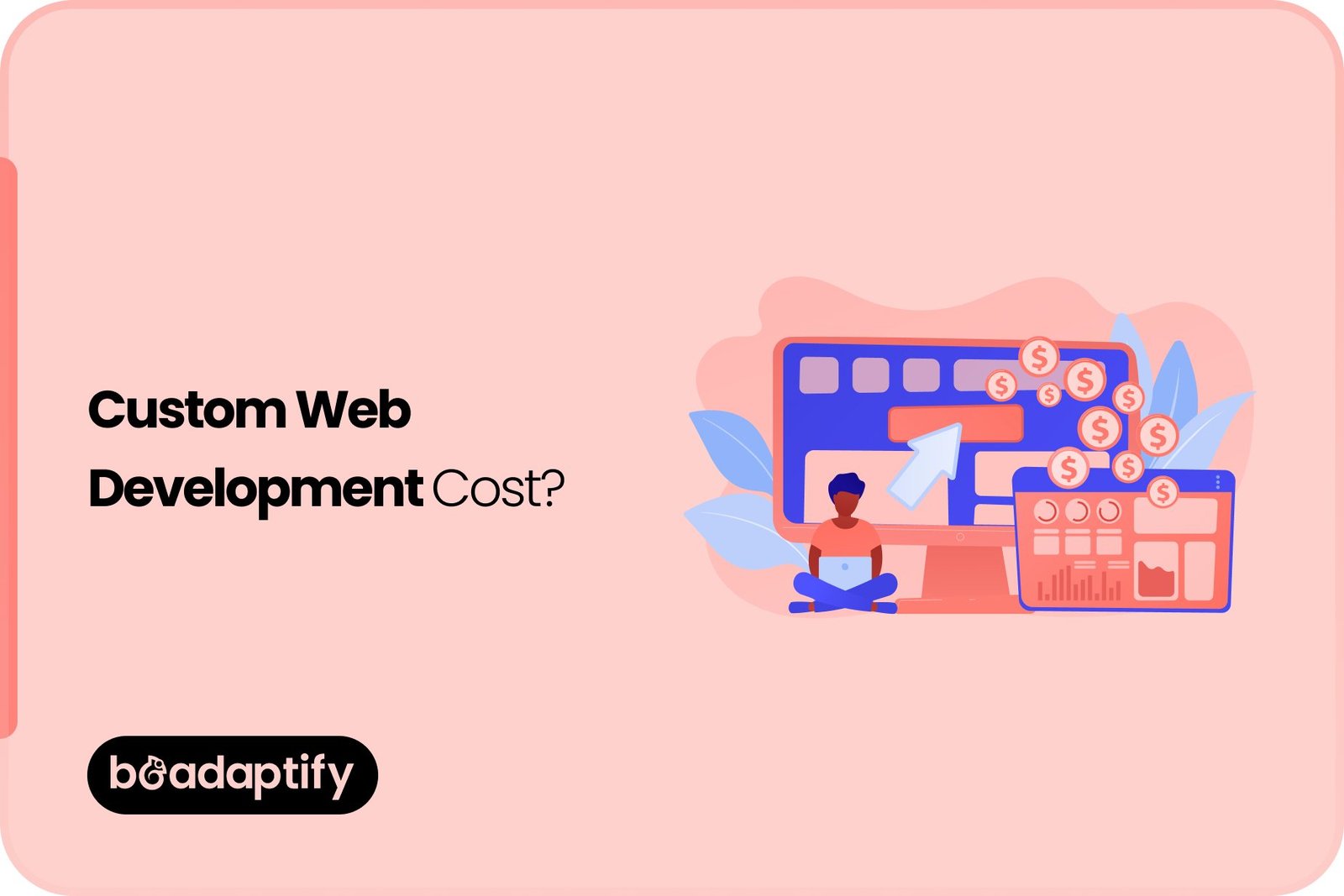
One of the most common questions asked by growing brands, startups, and enterprises is simple: How much does custom web development cost in 2026?
The answer is not fixed because no two web projects are being built for the same purpose. A five-page service website, a custom ecommerce store, a SaaS dashboard, a booking platform, and a customer portal may all be grouped under “website development,” but they require very different levels of design, development, integrations, performance optimization, and long-term scalability. That is why pricing in 2026 is being shaped by far more than the number of pages. Cost is being influenced by project scope, feature complexity, platform architecture, design quality, backend systems, integrations, timeline expectations, and post-launch requirements.
This guide explains what custom web development really includes, how pricing is being structured in 2026, which factors affect the budget most, and how businesses can plan their investment more strategically. Whether you are looking to launch a new digital platform, upgrade an outdated website, or hire web developers for an ambitious web product, this guide will help you understand the full picture.
What Is Custom Web Development?
Custom web development refers to the process of designing and building a website or web-based platform specifically around the goals, workflows, and requirements of a business. Instead of relying on a pre-made theme or rigid template, the website is being developed from the ground up or heavily customized to match the brand, user journey, and functionality needed.
In a custom approach, every major component can be tailored, including:
- user interface and layout
- page structure
- content flow
- backend functionality
- integrations with third-party tools
- user dashboards and permissions
- custom forms and workflows
- performance and SEO structure
This is different from template-based website building, where businesses are often forced to adapt their goals to fit the limitations of the platform. With custom development, the platform is being shaped to support the business, not the other way around.
For businesses that need stronger flexibility, unique functionality, or better long-term scalability, custom development is often being preferred over pre-built solutions.
Why Businesses Are Choosing Custom Web Development in 2026
In 2026, digital competition is stronger than ever. A generic website is rarely enough to stand out, especially when customers expect seamless navigation, fast performance, mobile responsiveness, and highly personalized experiences.
Custom web development is being chosen because it allows businesses to create digital experiences that are better aligned with their real goals.
Stronger Brand Differentiation
A custom website is being designed around the company’s brand identity instead of being forced into a shared template style. This helps businesses create a more memorable and consistent experience.
Better User Experience
Custom layouts and user flows are being created to match how real users browse, compare, and convert. This leads to more intuitive experiences and stronger engagement.
Greater Scalability
As a business grows, its digital needs change. A custom-built website can be expanded more easily with new features, integrations, and workflows.
Improved Performance
Code, assets, and architecture can be optimized more effectively in a custom build. That often results in better speed, stronger SEO performance, and smoother user interaction.
Easier Integration
Custom websites can be connected with CRMs, ERPs, marketing tools, payment systems, booking engines, analytics platforms, and internal business software.
Long-Term Flexibility
Rather than rebuilding from scratch every time the business evolves, custom platforms are often easier to adapt over time.
How Much Does Custom Web Development Cost in 2026?
The cost of custom web development in 2026 can vary widely depending on the type of project being built. However, most projects generally fall into the following pricing ranges:
Basic Custom Website
Estimated cost: $5,000 to $15,000
This range usually applies to smaller websites with limited functionality, such as service business websites, portfolio sites, or small brochure-style brand websites.
Mid-Level Custom Website
Estimated cost: $15,000 to $50,000
This typically includes more complex design systems, custom CMS structures, stronger SEO foundations, better conversion-oriented UX, and moderate integrations.
Advanced Custom Website or Ecommerce Platform
Estimated cost: $50,000 to $120,000
This range often applies to larger marketing websites, advanced ecommerce stores, custom portals, multi-language systems, or platforms with heavy business logic and third-party integrations.
Enterprise Web Platform or Custom Web Application
Estimated cost: $120,000 to $300,000+
This usually includes complex backend systems, user roles, dashboards, workflow automation, large-scale integrations, advanced security requirements, and long-term technical architecture planning.
It is important to understand that these ranges are directional. Actual cost is being shaped by project details rather than labels alone.
Main Factors That Affect Custom Web Development Cost
1. Project Scope
The broader the scope, the higher the cost. A project with 10 core pages, a blog, contact forms, and a simple CMS will cost much less than a platform with custom dashboards, advanced search, payment features, and user-specific workflows.
Scope includes:
- number of pages
- number of templates
- number of user roles
- complexity of content architecture
- number of integrations
- custom feature requirements
If scope is not clearly defined early, costs can rise quickly due to ongoing revisions and additions.
2. Design Complexity
Design is one of the major pricing factors in custom development. A clean but relatively simple interface takes less time than a fully bespoke design system with custom animations, interactive components, and layered UX journeys.
Design costs usually increase when a website includes:
- high-end branding implementation
- custom illustrations or icon systems
- motion and interaction design
- advanced mobile UX treatment
- unique page structures for campaigns or funnels
- conversion-driven landing page systems
A stronger design investment often improves user perception and conversion performance, but it also increases the initial budget.
3. Frontend Development
Frontend development includes the visible layer of the website that users interact with. Pricing increases based on how many custom components, page states, interactions, and responsive layouts must be built.
Frontend complexity rises when the site includes:
- dynamic content modules
- animation-heavy sections
- mobile-specific layouts
- custom navigation systems
- personalized content blocks
- advanced filtering or comparison systems
The more interactive the site is, the more development effort is required.
4. Backend Development
Backend work becomes a major cost driver when the website requires more than content publishing. Custom logic, account systems, admin panels, automation, dashboards, and workflow tools all increase backend complexity.
Backend-heavy websites may include:
- customer accounts
- role-based permissions
- booking or appointment systems
- custom product logic
- data dashboards
- order management tools
- lead routing systems
- workflow automation
In many cases, this is the area where a website starts becoming more like software than a static site.
5. CMS Requirements
Many businesses need content management access so teams can publish updates without developer help. A simple blog CMS is relatively affordable, but custom CMS structures with reusable content blocks, regional content logic, or dynamic landing page creation increase cost.
CMS work can vary based on:
- editorial complexity
- number of content types
- multilingual needs
- role-based content permissions
- SEO field controls
- structured content relationships
The more flexible the content system needs to be, the more carefully it must be engineered.
6. Integrations
Most modern websites are being connected with other business tools. Each integration adds time for setup, configuration, testing, and error handling.
Common integrations include:
- CRM systems
- marketing automation tools
- payment gateways
- shipping providers
- calendars and booking systems
- chat tools
- analytics platforms
- customer data platforms
- inventory systems
- ERP tools
A simple site with no integrations will cost far less than one that depends on multiple connected systems.
7. Ecommerce Functionality
If the website includes ecommerce, the budget increases significantly. Product catalogs, checkout flows, tax settings, promotions, shipping logic, customer accounts, order management, and upsell systems all require specialized planning and development.
The cost rises further when ecommerce includes:
- subscription billing
- custom product builders
- region-based pricing
- multi-store or multi-currency setup
- loyalty programs
- wholesale features
- marketplace-style structures
This is where tailored web development services become critical because generic commerce setups often fail to support growth properly.
8. SEO and Performance Optimization
In 2026, SEO and performance are no longer being treated as optional technical extras. A modern website is expected to be fast, crawlable, responsive, and technically optimized from launch.
That may include:
- clean site architecture
- metadata controls
- optimized page speed
- image compression and loading strategy
- schema setup
- redirect mapping
- mobile performance tuning
- technical SEO foundations
These improvements increase build quality and long-term traffic value, but they also add cost to the project.
9. Security Requirements
Some websites require stronger security because they handle customer data, transactions, private dashboards, or sensitive operational information.
Security-driven cost increases may come from:
- secure authentication systems
- role-based access control
- encrypted data handling
- compliance-driven infrastructure
- firewall and access policies
- secure hosting and environment setup
For industries such as healthcare, fintech, SaaS, or enterprise operations, this can become a major part of the budget.
10. Timeline Pressure
A normal timeline is usually more cost-efficient than an urgent one. If a website needs to be launched quickly, more team members may be added or work may be rushed in parallel. That often raises cost.
Accelerated timelines increase pressure on:
- project management
- design approvals
- QA cycles
- development coordination
- deployment readiness
Speed can absolutely be achieved, but it usually comes at a premium.
Cost Breakdown by Website Type
To understand pricing more clearly, it helps to look at typical web project categories.
Small Business Website
A smaller custom website for a local service provider, consultancy, or startup usually includes:
- 5 to 10 pages
- custom design
- mobile responsiveness
- contact forms
- CMS for content updates
- light SEO setup
Estimated cost: $5,000 to $15,000
Growth-Focused Marketing Website
A more advanced marketing site often includes:
- 10 to 30 pages
- custom page templates
- lead capture flows
- stronger design system
- CMS flexibility
- blog and SEO architecture
- CRM integration
- landing pages
Estimated cost: $15,000 to $50,000
Ecommerce Website
A custom ecommerce website may include:
- product catalogs
- category structures
- customer accounts
- cart and checkout
- payment integration
- inventory syncing
- promotional tools
- shipping and tax rules
Estimated cost: $20,000 to $120,000+
Custom Portal or Web Application
This type of project may include:
- login systems
- role-based dashboards
- backend logic
- custom workflows
- user-generated data
- analytics or reporting
- API integrations
- automation tools
Estimated cost: $50,000 to $300,000+
Additional Costs Businesses Often Overlook
One of the biggest mistakes in budgeting is assuming the development quote covers everything. In reality, several extra costs may appear during or after the build.
These may include:
- copywriting
- branding updates
- photography or video assets
- hosting and infrastructure
- software licenses
- premium plugins or APIs
- SEO migration work
- analytics setup
- legal compliance tools
- ongoing maintenance retainers
Should You Hire Web Developers or Work With a Web Development Company?
This depends on the size and complexity of the project.
When It Makes Sense to Hire Web Developers
Choosing to hire web developers may work well when:
- an internal product or design lead already exists
- the project is clearly defined
- ongoing support is needed after launch
- the business wants more control over staffing
This model can be flexible and cost-effective for teams with internal management capacity.
When It Makes Sense to Work With a Web Development Company
A full-service web development company is often the better choice when:
- strategy, design, and development are all needed
- the project is complex
- speed and coordination are important
- quality assurance and deployment support are required
- multiple specialists need to collaborate
- long-term scalability matters
In these situations, using a company often reduces fragmentation and improves execution quality.
How to Optimize Custom Web Development Cost
Start With Clear Business Goals
The website should not be scoped around random feature ideas. It should be scoped around what the business actually needs the site to achieve.
Prioritize Core Features First
Not everything must be included at launch. A phased roadmap often reduces initial cost without weakening long-term value.
Choose the Right Technology Approach
Some websites require a custom codebase. Others can be built more efficiently using a hybrid setup. The right technical decision should be based on scalability, not trend-chasing.
Invest in Architecture Early
Cutting planning time may seem cheaper at first, but it usually increases rework later.
Build for Scalability, Not Excess
A smart build should leave room for growth without overengineering features that are not needed yet.
Work With Experienced Specialists
Strong planning and execution usually lower the total cost of ownership over time, even if the initial quote is higher.
What Businesses Should Expect After Launch
The website launch is not the end of the investment. In most cases, ongoing support is needed to maintain performance, improve conversions, and support evolving business needs.
Post-launch work often includes:
- bug fixes
- content updates
- new landing pages
- performance improvements
- feature enhancements
- SEO adjustments
- analytics-driven UX changes
- infrastructure maintenance
Why Custom Web Development Is Worth the Investment
Although custom web development costs more than basic template solutions, the long-term return is often higher because the site is being built to support real business outcomes.
A strong custom website can help:
- increase qualified leads
- improve user trust
- raise conversion rates
- support better SEO performance
- reduce technical limitations
- streamline operations
- support future digital growth
When viewed over several years, custom development is often less expensive than repeatedly patching a weak foundation.
Why Choose Beadaptify for Custom Web Development?
At Beadaptify, custom websites are developed with a clear focus on business performance, scalability, and long-term digital value. A website is not treated as a static online asset—it is built as a platform that supports growth, user engagement, and measurable outcomes. As a trusted web development company, we provide tailored development services and strategic solutions that align with real business goals instead of relying on one-size-fits-all templates. From planning and user experience design to custom development, integrations, and post-launch improvements, every stage is handled with a structured and performance-driven approach.
Whether a business needs a brand-led marketing website, a custom ecommerce experience, or a functionality-rich digital platform, Beadaptify helps create web experiences that are flexible, future-ready, and built to deliver results. For businesses looking to scale with the right technical partner, our team also supports brands that want to work with experienced web developers for hire for ongoing innovation and support.
Final Thoughts
So, how much does custom web development cost in 2026? The real answer depends on what the website is expected to do. A smaller branded website may require a modest budget. A high-converting marketing site may sit in the mid-range. A custom ecommerce experience or advanced web platform may demand a far larger investment. What matters most is not simply finding the lowest cost. What matters is building the right digital foundation for the business.
A modern website is often being asked to do much more than publish information. It is being expected to acquire customers, support operations, communicate brand value, and create measurable business growth. That is why the most effective investment decisions are being made when businesses evaluate not only cost, but also capability, scalability, and long-term return. At Beadaptify, custom websites are built to support those bigger goals. Whether the need is for strategic web development solutions, conversion-focused web development services, or a dedicated team when businesses want to hire web developers or work with web developers for hire, the goal should always be the same: build a website that performs like a business asset, not just a digital presence.

FAQ on Custom Web Development Cost
What factors affect custom web development cost?
The main factors include project scope, feature complexity, UI/UX design, CMS requirements, third-party integrations, SEO needs, and whether a custom backend is required.
Is custom web development worth the cost?
Yes, custom web development is often worth the investment when businesses need scalability, unique functionality, strong performance, better SEO architecture, and long-term flexibility.
What is the difference between template-based and custom web development?
Template-based development uses preset structures with limited flexibility, while custom web development is built around specific business goals, unique workflows, and tailored user experiences.
Should I hire web developers or work with a web development company?
If a business already has internal strategy and design resources, it may choose to hire web developers. For end-to-end planning, design, development, and support, a full web development company may be the better option.
What services are included in custom web development?
Custom web development services often include discovery, UX/UI design, frontend and backend development, CMS setup, integrations, testing, launch support, and ongoing maintenance.
How long does custom web development take?
The timeline depends on scope. A smaller custom website may take a few weeks, while a larger platform or web application may take several months.